
Rhinoplasty Complications
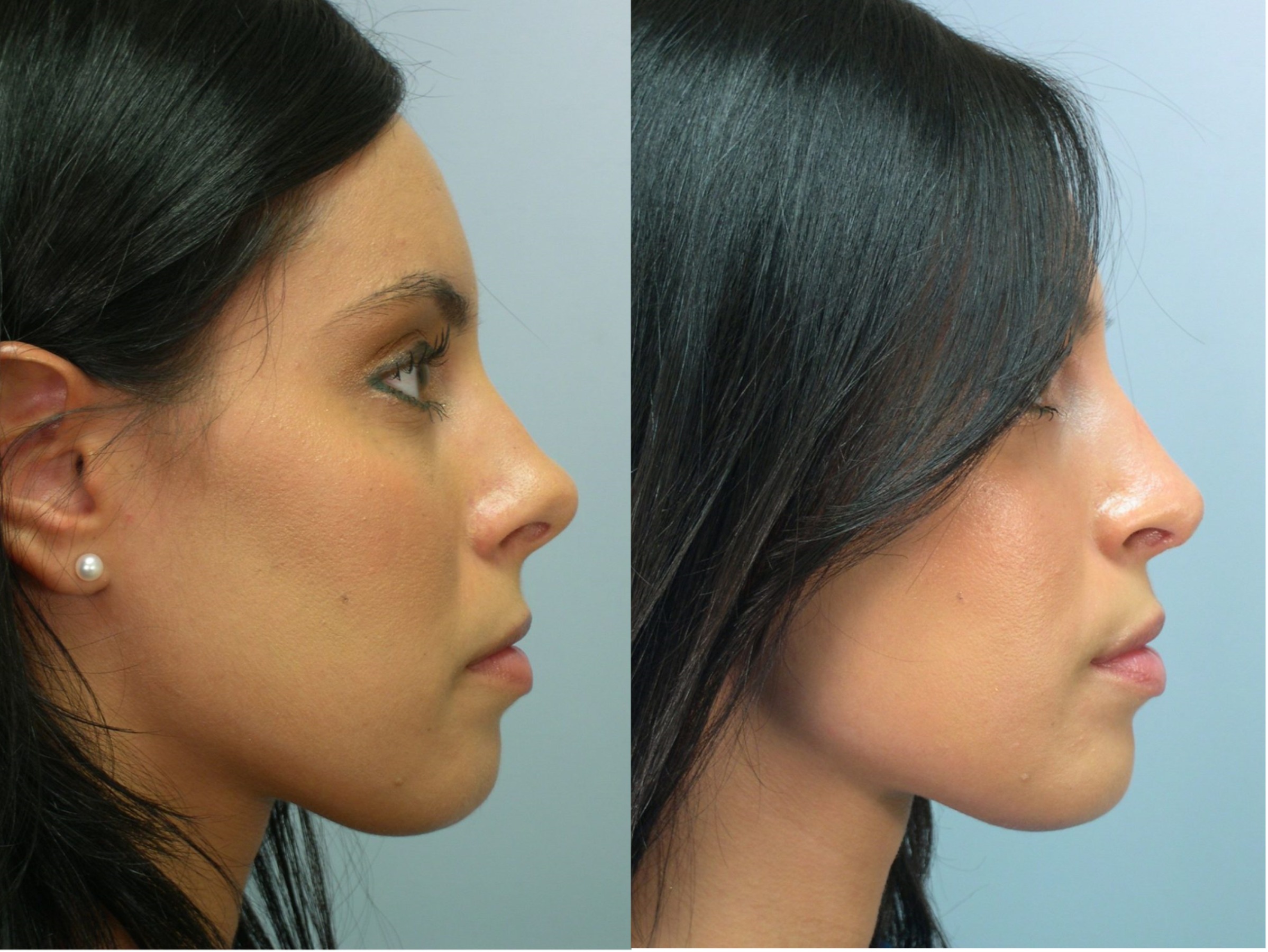
Preoperative Complications
Before undergoing rhinoplasty, it is essential to be aware of the potential preoperative complications that can occur. These can include adverse reactions to anesthesia, bleeding disorders, and infections. Patients with a history of bleeding disorders, such as hemophilia, may be at a higher risk of experiencing bleeding complications during and after surgery. Additionally, patients who smoke or have a history of smoking may be at a higher risk of developing respiratory complications during anesthesia.
Intraoperative Complications
During the rhinoplasty procedure, several complications can arise. These can include excessive bleeding, damage to the surrounding tissues, and respiratory complications. Excessive bleeding can lead to a range of problems, including hemorrhage, shock, and even death. Damage to the surrounding tissues, such as the eyes, brain, or sinuses, can also occur, although this is rare. Respiratory complications, such as respiratory failure or cardiac arrest, can also occur due to anesthesia or other factors.
Types of Intraoperative Complications
There are several types of intraoperative complications that can occur during rhinoplasty. These can include: * Bleeding complications: Excessive bleeding can occur due to damage to the blood vessels or other factors. * Respiratory complications: Respiratory failure or cardiac arrest can occur due to anesthesia or other factors. * Neurological complications: Damage to the nerves or brain can occur, although this is rare.

Postoperative Complications
After the rhinoplasty Michigan procedure, several complications can arise. These can include infection, scarring, and numbness or tingling in the nose or surrounding areas. Infection can occur due to bacterial or other microbial contamination, and can lead to a range of problems, including abscesses, fever, and even sepsis. Scarring can also occur, and can be permanent. Numbness or tingling in the nose or surrounding areas can occur due to damage to the nerves, and can be temporary or permanent.
Managing Postoperative Complications
Managing postoperative complications requires careful attention to the patient's symptoms and medical history. This can include administering antibiotics to treat infection, using pain management medications to control pain, and providing wound care to promote healing. In some cases, additional surgery may be necessary to repair any damage or complications that have occurred.
Long-term Complications
In addition to the immediate complications that can occur during and after rhinoplasty, there are also several long-term complications that can arise. These can include chronic pain, numbness or tingling, and scarring. Chronic pain can occur due to nerve damage or other factors, and can be difficult to manage. Numbness or tingling can also occur, and can be permanent. Scarring can also occur, and can be permanent.
Revision Rhinoplasty
In some cases, patients may require revision rhinoplasty to correct any complications or problems that have occurred after the initial surgery. Revision rhinoplasty can be a complex and challenging procedure, and requires careful planning and attention to detail. The goal of revision rhinoplasty is to correct any problems or complications that have occurred, and to improve the appearance and function of the nose.
Conclusion
Rhinoplasty is a complex and challenging surgical procedure that carries several risks and potential complications. While these complications can be serious, they are relatively rare, and can often be managed with careful attention to the patient's symptoms and medical history. By understanding the potential complications that can occur, patients can make informed decisions about their care, and can take steps to minimize their risk of experiencing problems.
FAQs
What are the most common complications of rhinoplasty?
The most common complications of rhinoplasty include infection, scarring, and numbness or tingling in the nose or surrounding areas.
How can I minimize my risk of experiencing complications during rhinoplasty?
To minimize your risk of experiencing complications during rhinoplasty, it is essential to choose a qualified and experienced surgeon, and to follow all preoperative and postoperative instructions carefully.
What are the symptoms of infection after rhinoplasty?
The symptoms of infection after rhinoplasty can include redness, swelling, warmth, and drainage from the nose or surrounding areas.
Can rhinoplasty complications be treated?
Yes, most rhinoplasty complications can be treated with antibiotics, pain management medications, and wound care. In some cases, additional surgery may be necessary to repair any damage or complications that have occurred.
How long does it take to recover from rhinoplasty complications?
The recovery time for rhinoplasty complications can vary depending on the severity of the complication, and the individual patient's overall health. In general, most patients can expect to recover from rhinoplasty complications within several weeks to several months.
Lakeshore Facial Plastic Surgery
17900 23 Mile Rd #205, Macomb, MI 48044
586-286-6565